
Thelma (2017) is a haunting and intelligent psychological thriller that slowly unfolds into a chilling supernatural drama. Directed by Joachim Trier, the film blends realism, religion, and horror to create an unsettling portrait of repression, desire, and power. From its first quiet moments, the movie draws viewers into a world where fear is internal, emotional, and deeply personal.

The story follows Thelma, a shy young woman who leaves her strict, deeply religious family to attend university in Oslo. Struggling to adapt to city life, she begins experiencing violent seizures that doctors cannot fully explain. These episodes feel different—more intense, more frightening—as if something inside her is awakening.
As Thelma forms a close bond with Anja, a fellow student, suppressed emotions begin to surface. Feelings of attraction collide with years of religious guilt and fear, triggering increasingly dangerous supernatural events. What begins as confusion soon escalates into terror, as Thelma realizes her emotions may be directly connected to her frightening abilities.
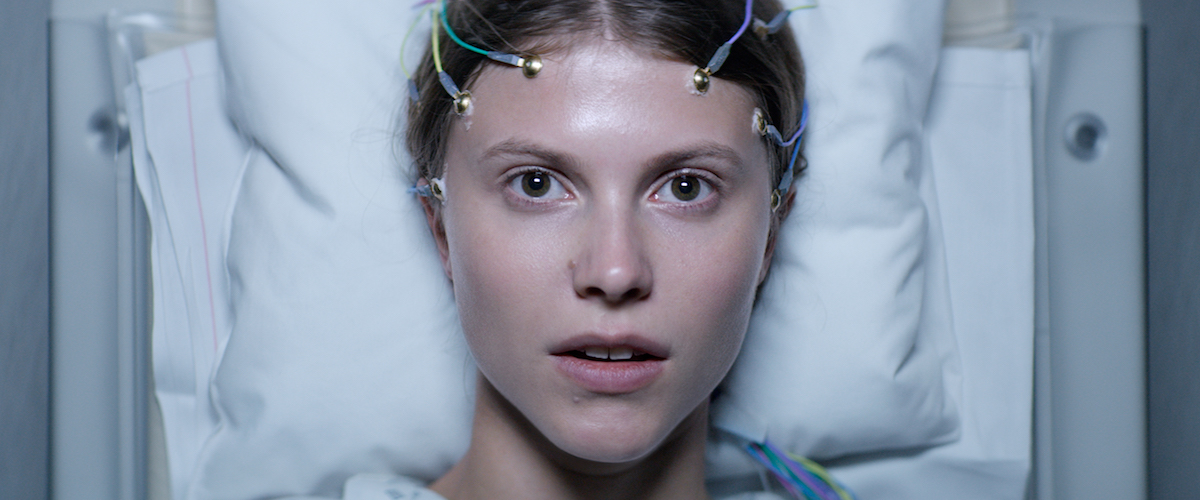
The film gradually reveals dark family secrets and a disturbing truth about Thelma’s past. Her parents’ overprotectiveness hides a history of control and fear, suggesting that her powers were never gone—only buried. Each revelation intensifies the psychological tension, blurring the line between illness, faith, and supernatural force.

In the end, Thelma (2017) is not just a horror film, but a powerful exploration of identity and self-acceptance. Quiet, eerie, and deeply atmospheric, it challenges viewers to consider what happens when desire is repressed for too long—and what terrifying freedom can emerge when someone finally embraces who they truly are.