
Desert Hearts (1985) is a groundbreaking romantic drama that quietly reshaped LGBTQ+ cinema with its honesty, warmth, and emotional depth. Set against the wide, sun-bleached landscapes of 1950s Nevada, the film tells a deeply human story about self-discovery and unexpected love in a time of rigid social rules.
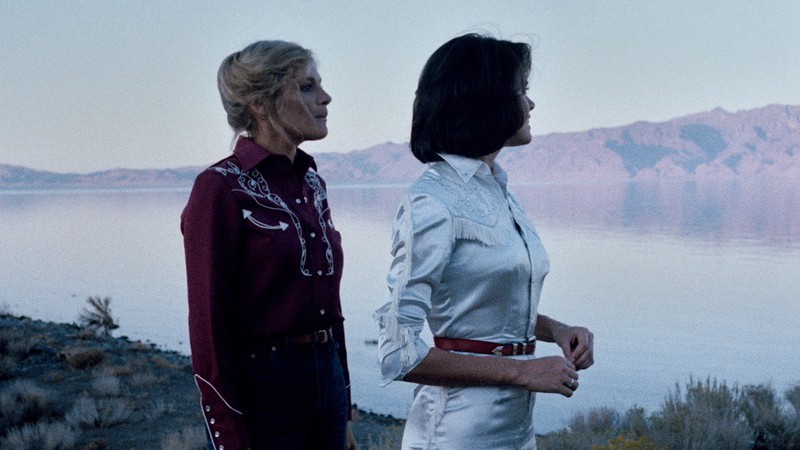
The story follows Vivian Bell, an intelligent and reserved English professor who travels to Reno to obtain a quick divorce. Emotionally guarded and shaped by conventional expectations, Vivian plans to stay detached and focused on her legal freedom, believing romance is no longer part of her future.
Her life changes when she meets Cay Rivvers, a confident, free-spirited younger woman who lives unapologetically and challenges the limits placed on women. Cay’s warmth and openness slowly break through Vivian’s emotional defenses, and their growing friendship evolves into a powerful romantic connection.

Unlike many films of its era, the conflict in Desert Hearts comes not from tragedy or punishment, but from fear, vulnerability, and the courage required to embrace love. Vivian must confront her own internalized restraints, while Cay faces the risk of loving someone who may not be ready to choose her openly.

Ultimately, Desert Hearts (1985) is a tender and hopeful love story about authenticity and liberation. With its gentle pacing and emotionally satisfying ending, the film remains a landmark portrayal of queer love—one that affirms desire, choice, and the possibility of happiness even in a world not yet ready to fully accept it.