
Loving Annabelle (2006) is a deeply controversial yet emotionally layered drama that examines desire, repression, and the dangers of blurred boundaries. Rather than presenting itself as a conventional romance, the film leans into psychological tension, using the rigid setting of a Catholic boarding school to heighten the sense of confinement, control, and forbidden longing. Its slow pacing and intimate focus force viewers to sit with discomfort rather than offering easy judgment.

At the center of the film is Simone Bradley, a teacher marked by past failure and quiet self-loathing. Her strict demeanor and emotional restraint function as armor, protecting her from vulnerability and from repeating earlier mistakes. Simone’s struggle is not only with attraction, but with identity — she wants to be moral, professional, and worthy of redemption, yet feels increasingly disconnected from her own emotional truth.
Annabelle Tillman, by contrast, embodies defiance and emotional intensity. Intelligent, reckless, and deeply lonely, she challenges authority as a way to assert control over a world that constantly restricts her. Her attraction to Simone is not merely romantic; it is rooted in a hunger for understanding, validation, and emotional intimacy. Annabelle’s youth and volatility make the dynamic inherently unequal, a tension the film deliberately refuses to soften.

The relationship unfolds through glances, conversations, and charged silences rather than overt physicality, emphasizing emotional dependency over explicit action. This choice makes the story more unsettling, as the danger lies not only in what happens, but in what is felt. The secrecy surrounding their bond amplifies guilt and fear, highlighting how repression within institutional structures can distort emotions instead of containing them.
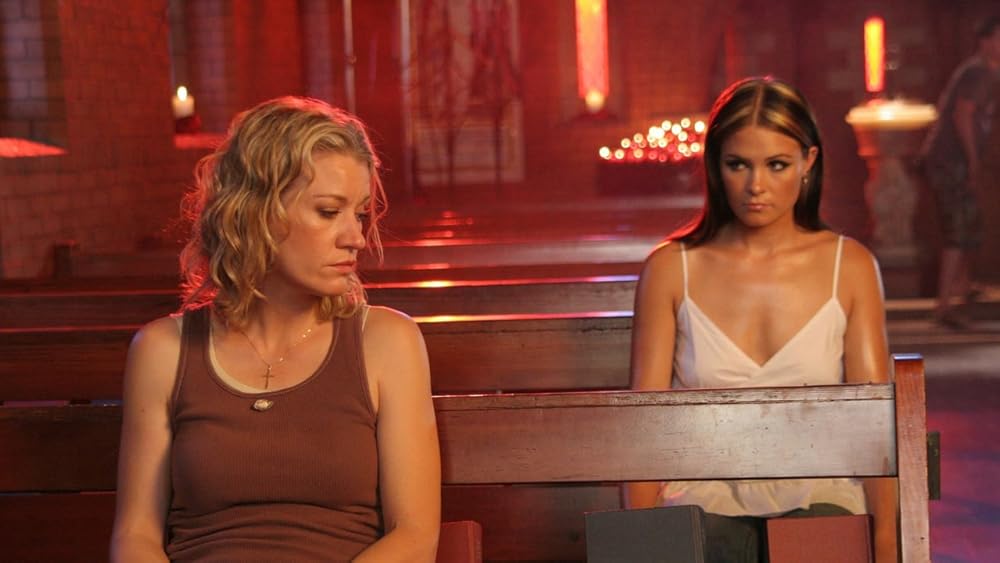
Ultimately, Loving Annabelle is less about justifying a forbidden relationship and more about examining its consequences. The film asks difficult questions about responsibility, power, and the cost of unmet emotional needs. By the end, it leaves viewers with unease rather than closure, encouraging reflection on how desire, when entangled with authority and vulnerability, can lead not to liberation, but to lasting damage for everyone involved.