
Sodom 2 (2025) returns to the fractured city of Sodom, now years after its destruction and the moral reckoning that followed. The film explores how survivors, refugees, and outsiders rebuild their lives amid the ruins of a place once defined by chaos and excess. What was once symbolic of corruption becomes a contested ground for identity, redemption, and power.
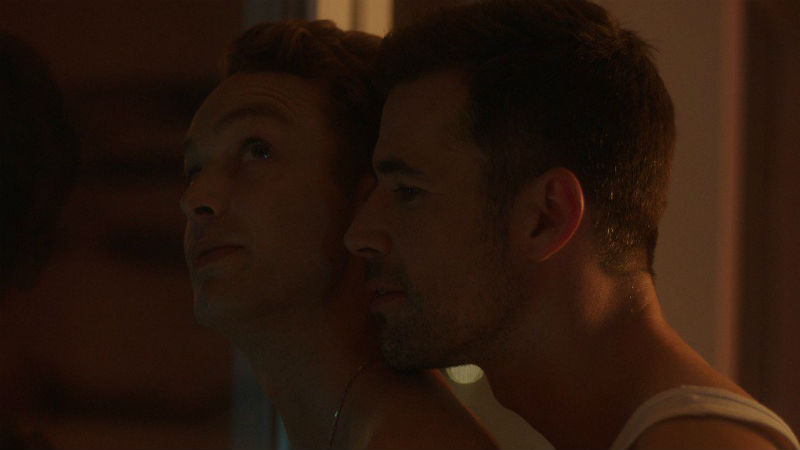
At the center of the story is Elias, a former resident whose life was upended by the city’s collapse. Haunted by past choices and the consequences of living in a place where boundaries were ignored, he returns to Sodom seeking closure, not revenge. His journey is both physical and inner — a confrontation with memory, guilt, and the possibility of forgiveness.
Elias encounters a new generation of characters shaped by the fallout: Lina, a young leader determined to transform Sodom into a haven rather than a cautionary tale; Rafi, a conflicted guardian torn between protecting the past and embracing change; and Mara, a fierce voice for those who were silenced. Their intersecting paths reveal that rebuilding isn’t just about structures — it’s about healing broken spirits and redefining community.
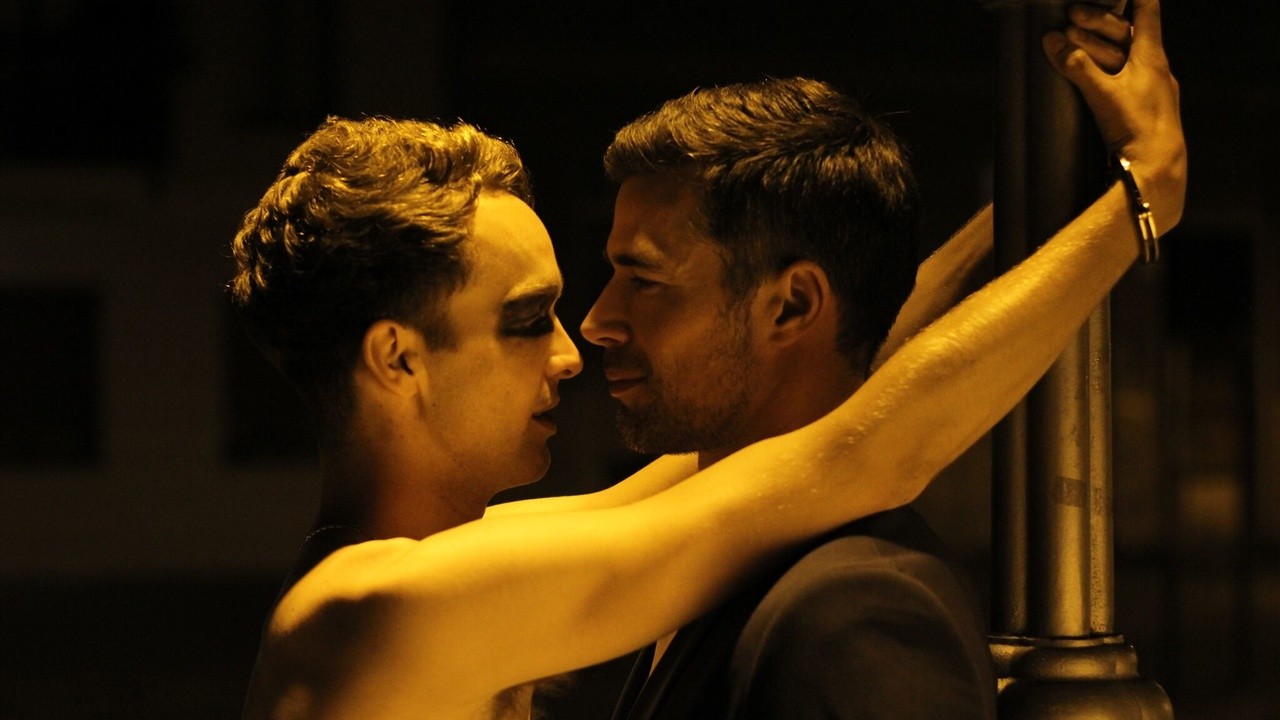
As tensions rise between those who want to preserve remnants of the old city and those who demand complete reinvention, personal conflicts mirror larger cultural struggles. Elias must choose whether to cling to the pain that shaped him or to become part of a future that asks for courage, empathy, and honest reckoning with what came before.

In the end, Sodom 2 (2025) is a story about transformation — not through erasure of the past, but through understanding it. It asks whether a city once synonymous with moral collapse can become a symbol of resilience, and whether the people who survived its worst days can forge a life grounded in community, accountability, and renewed hope.