
The Godfather 4 (2026) is imagined as a powerful continuation of the Corleone legacy, set decades after the fall of Michael Corleone. The story opens in a modern America where organized crime no longer rules through visible violence, but through finance, politics, and technology. The Corleone name has faded into legend, yet its shadow still lingers in boardrooms, courtrooms, and whispered loyalties.

The narrative centers on Vincent Mancini Corleone’s successor, a new generation figure who inherits not only wealth and influence, but also the moral burden of the family’s past. Educated, strategic, and outwardly legitimate, he attempts to distance the family from bloodshed while quietly maintaining control over criminal networks that now operate behind legal fronts. His greatest challenge is not enemies, but the contradiction between power and conscience.
As rival factions rise—international syndicates, corrupt politicians, and former allies seeking revenge—the Corleone empire faces threats unlike any before. Unlike the old days, violence brings exposure rather than dominance. Every decision risks public collapse, forcing the family to confront whether survival still requires betrayal and blood, or whether true power now lies in restraint.

Parallel to this struggle is an emotional reckoning with history. Through uncovered letters, old testimonies, and personal memories, the film revisits the consequences of Michael Corleone’s choices. The new heir must confront the truth: that the family’s greatest strength was also its greatest curse. Love, loyalty, and silence once preserved the empire—but they also destroyed those who bore its weight.
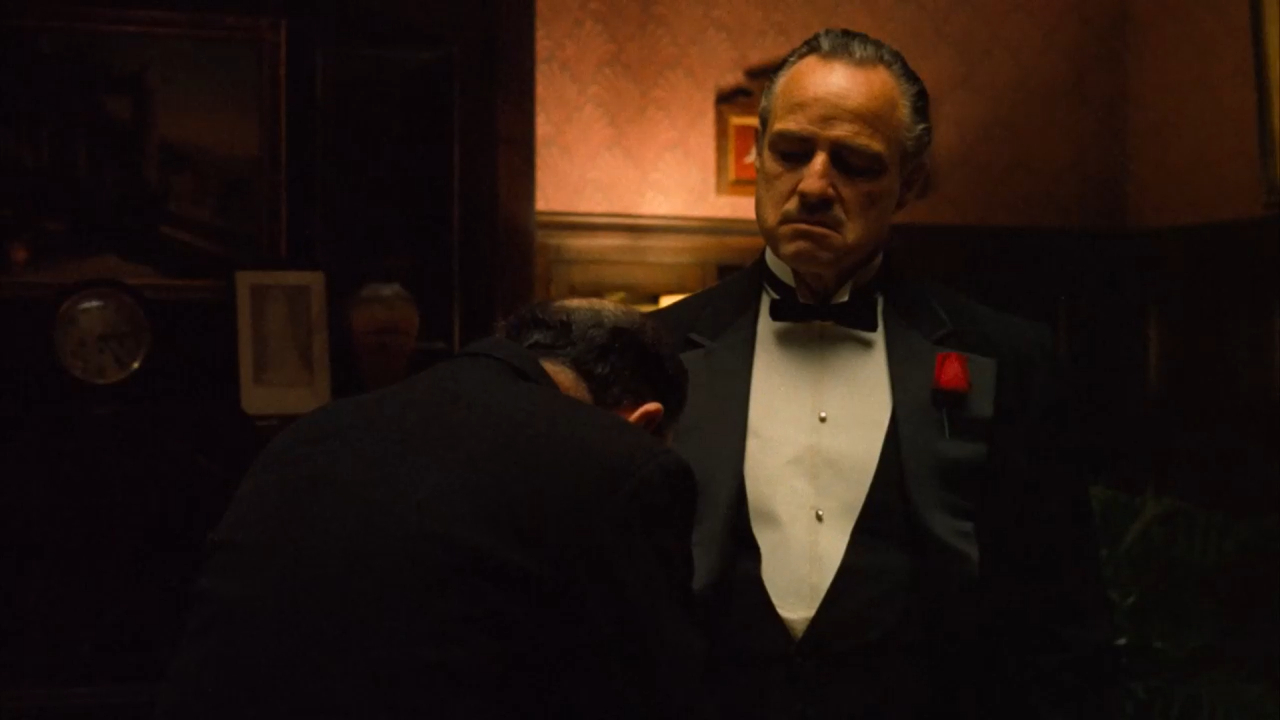
In the end, The Godfather 4 (2026) becomes a meditation on legacy rather than conquest. It asks whether a family built on fear can ever escape its origins, and whether redemption is possible without sacrifice. Quiet, tragic, and deeply reflective, this imagined final chapter closes the Corleone saga not with gunfire, but with the haunting question of what it truly means to inherit power.