
Jay Kelly (2025) follows the quiet, introspective life of its title character, a middle-aged man who has spent decades living carefully, never fully stepping into the spotlight of his own life. Jay is reliable, kind, and largely invisible to the world around him, content to support others while suppressing his own ambitions. The film opens by showing how routine and emotional restraint have slowly shaped his identity.
Everything begins to shift when Jay is forced into an unexpected reunion with people from his past, triggering long-buried memories and unresolved regrets. As old friendships and relationships resurface, Jay confronts the person he once hoped to become versus the one he allowed himself to be. These encounters push him out of his comfort zone and into moments of awkward humor, honesty, and emotional vulnerability.
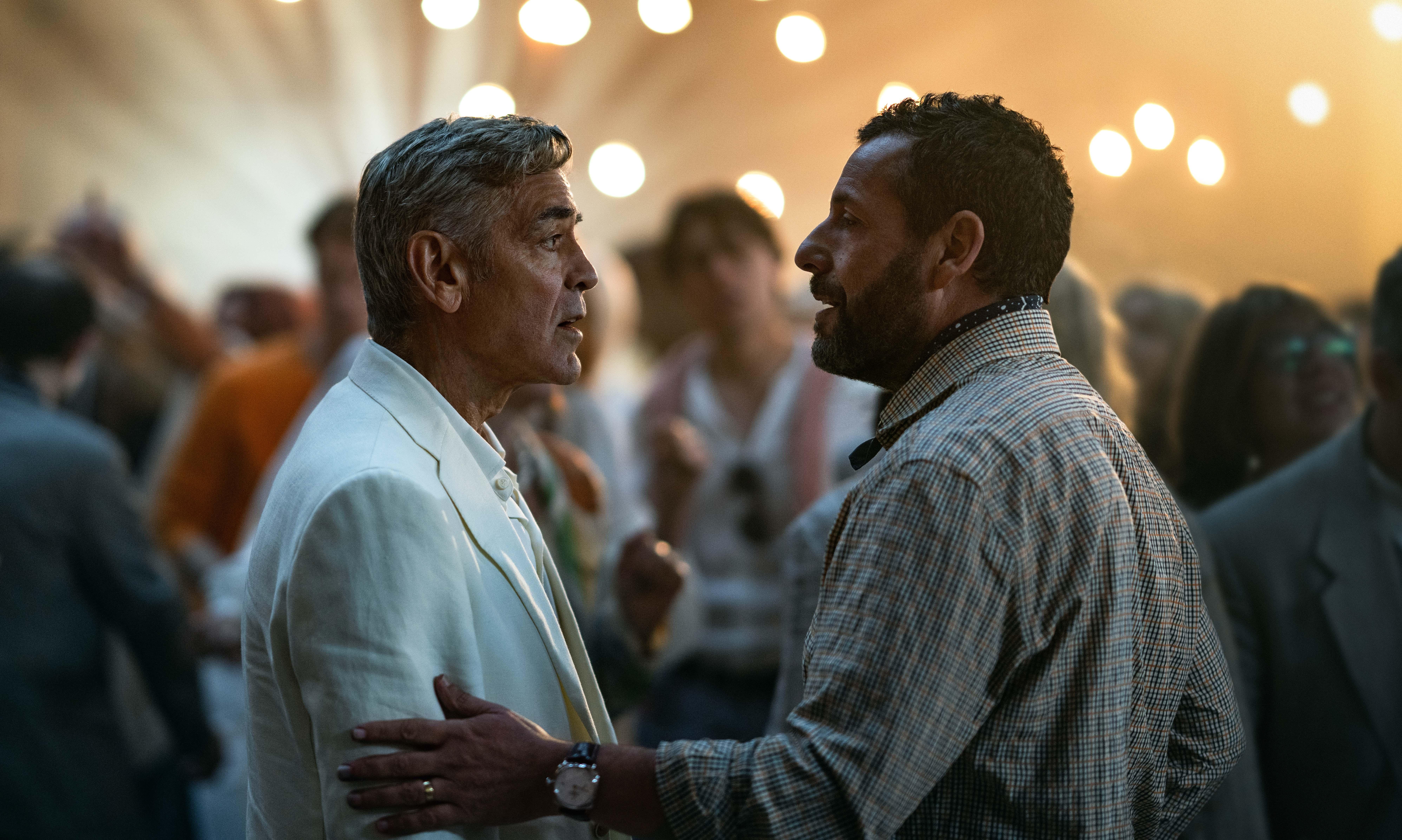
Midway through the story, Jay faces a personal turning point that alters his perspective on time and self-worth. Rather than framing the past as something lost, the film reframes it as unfinished business. Jay begins taking small but meaningful risks—speaking his mind, setting boundaries, and pursuing joy without apology for the first time in years.

The emotional core of the film lies in its exploration of identity, masculinity, and quiet reinvention. Jay is not chasing fame or redemption in grand gestures, but something more subtle: the courage to matter to himself. Relationships deepen as he learns that being present matters more than being impressive.

Jay Kelly (2025) is a gentle, character-driven drama infused with dry humor and emotional sincerity. It resonates through its realism, capturing how transformation often comes late, slowly, and without fanfare. The film closes on a hopeful note, reminding viewers that it’s never too late to reclaim your voice and step into the life you’ve been quietly postponing.